
Introduction: The Evolution of Adventure Imaging
Adventure photography is no longer just about taking a camera on a hike; it is about documenting the human spirit in challenging environments. As we move through 2026, the boundary between professional studio quality and portable outdoor gear has vanished. For the modern explorer, the challenge isn’t finding a camera, but choosing a cohesive gear system that can survive the elements while delivering cinematic results.
At TravelGiftly, we believe that understanding your equipment is the first step toward visual storytelling. This informational guide breaks down the essential components of a modern adventure photography kit, focusing on durability, optics, and smart technology.
Understanding the Ecosystem of Adventure Gear
A successful shoot in the wilderness depends on how well your gear works as a system. It’s not just about the “body” or the “lens”—it’s about power, stability, and protection.
Key Technical Considerations for 2026
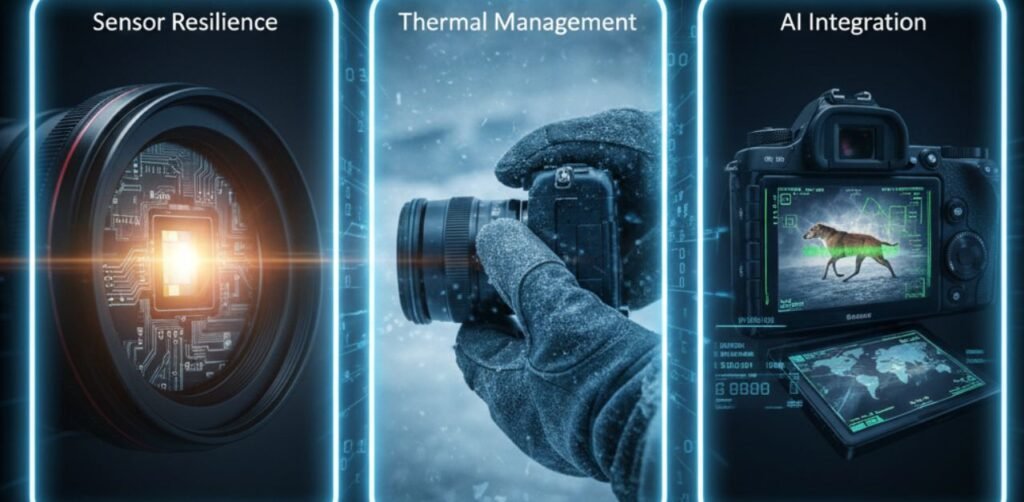
- Sensor Resilience: High-dynamic-range (HDR) sensors that can handle the harsh glare of snow or the deep shadows of a forest.
- Thermal Management: Gear that doesn’t overheat during 8K recording in tropical heat or shut down in sub-zero Arctic temperatures.
- AI Integration: Real-time subject tracking for wildlife and extreme sports.
Detailed Breakdown: Essential Equipment Categories
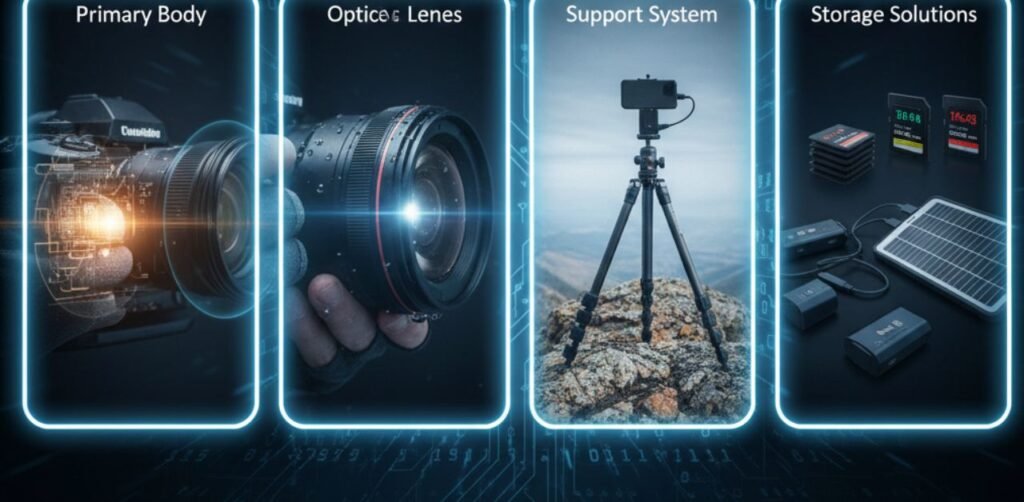
| Component | Why It’s Critical | What to Look for in 2026 |
| Primary Body | The brain of your kit. | Mirrorless, Weather-sealed, 10-bit Internal Video. |
| Optics (Lenses) | Determines the “look” and clarity. | Fluorine coatings (to repel water/oil), Lightweight builds. |
| Support System | For stability and long exposures. | Carbon fiber material, Arca-Swiss compatibility. |
| Storage Solutions | Protecting your digital data. | CFexpress Type B cards, Rugged SSDs (IP67 rated). |
| Power Management | Ensures you don’t run out of “juice”. | USB-C Power Delivery (PD) compatibility. |
1. The Mirrorless Advantage in Remote Terrain
In 2026, DSLRs are vintage items. Mirrorless systems are the standard for adventure because they lack moving internal mirrors, making them more durable.
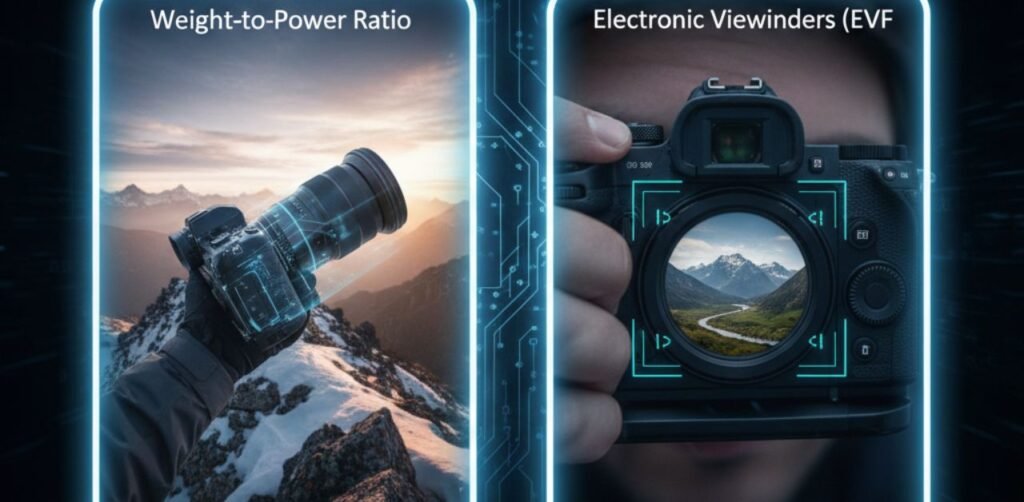
- Weight-to-Power Ratio: Modern bodies now offer 45+ megapixels in a frame that weighs less than 700g.
- Electronic Viewfinders (EVF): Essential for seeing exactly how your photo will look in bright sunlight where a back screen is useless.
2. Mastering the Elements: Protection & Maintenance
Adventure photography gear often fails not because of the tech, but because of the environment.
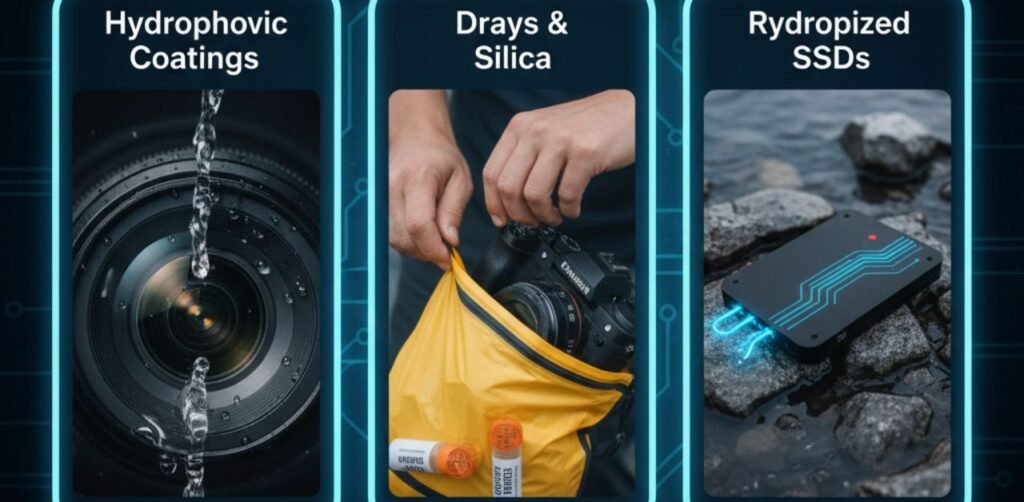
- Hydrophobic Coatings: Ensure your lenses have specialized coatings that allow raindrops to slide off without leaving streaks.
- Dry Bags & Silica: Always store your gear in a dry bag with reusable silica gel canisters to prevent “Lens Fungus” in humid jungles.
- Ruggedized SSDs: Don’t rely on spinning hard drives. Use NVMe SSDs that can survive a 3-meter drop and immersion in water.
3. The Role of Drone Technology in Storytelling
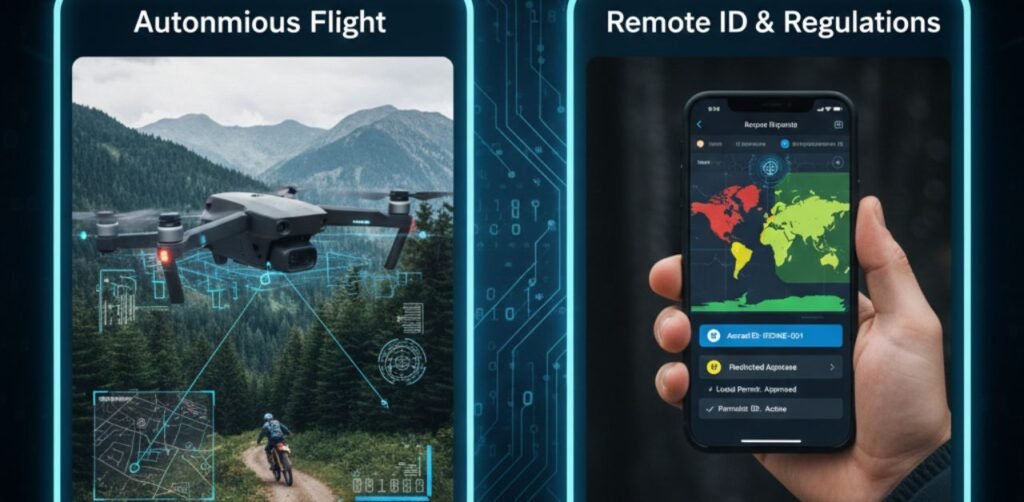
Aerial shots provide a “God’s eye view” that was once only possible with helicopters.
- Autonomous Flight: 2026 drones feature 360-degree obstacle avoidance, allowing the drone to follow you through a forest while you focus on climbing or biking.
- Remote ID & Regulations: Informational tip—always check the ‘Remote ID’ status of your drone to ensure it complies with the latest international aviation laws.
4. Powering Your Expedition
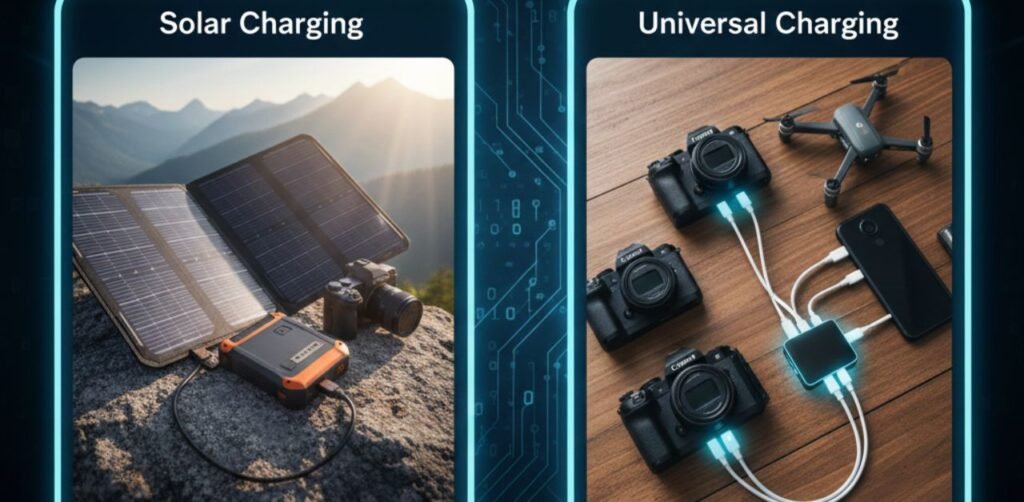
Off-grid power is the biggest hurdle for adventure photographers.
- Solar Charging: Portable solar blankets can now charge a camera battery in under 2 hours of peak sun.
- Universal Charging: Ensure all your gear (Camera, Drone, Phone, Flashlight) uses USB-C to minimize the number of cables you carry.
Expert Checklist: Pre-Expedition Gear Prep
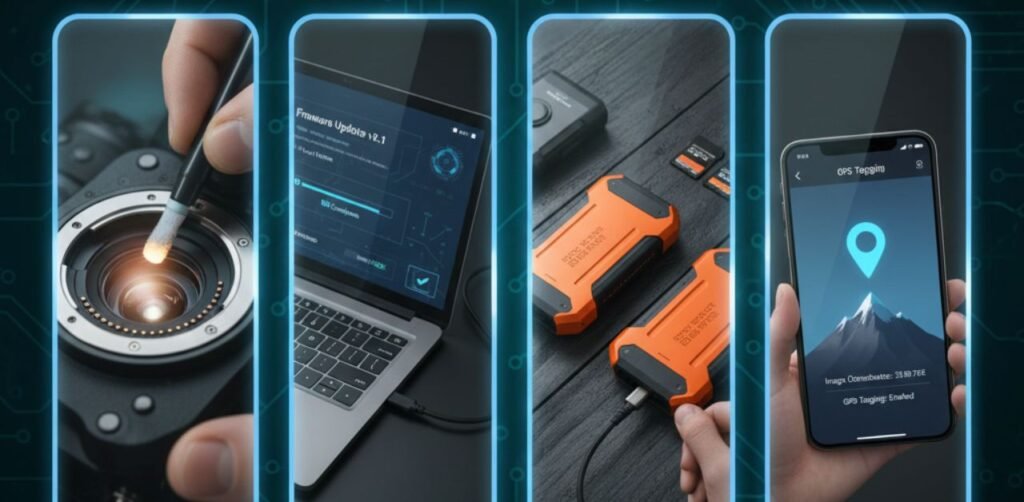
- Sensor Cleaning: Perform a wet-sensor clean before leaving; dust spots are a nightmare to edit later.
- Firmware Updates: Ensure your camera and drone are running the latest software to avoid glitches in the field.
- Redundant Storage: “One is none, two is one.” Always have two copies of your footage on separate devices.
- GPS Tagging: Enable internal GPS to automatically log the coordinates of your unique keepsakes and photos.
Frequently Asked Questions (FAQs)
Q1: How do I choose between a Zoom lens and a Prime lens for adventure?
A: For adventure, a Zoom lens (like a 24-70mm) is usually better. It prevents you from having to change lenses in dusty or rainy conditions, protecting your sensor.
Q2: What is ‘Weather Sealing’ actually capable of?
A: Weather sealing can handle light rain, mist, and dust. It does not mean the camera is waterproof. Never submerge a weather-sealed camera unless it is in a dedicated underwater housing.
Q3: Is it worth carrying a dedicated camera bag?
A: Dedicated bags are great, but many pros prefer a “Camera Insert” inside a standard hiking backpack. This keeps the gear safe while providing better ergonomics for long treks.
Conclusion: The Best Gear is the One You Use
Ultimately, adventure photography gear is a means to an end. The most expensive camera in the world won’t take a great photo if it’s too heavy to carry to the summit. Focus on a kit that is light, tough, and intuitive. By choosing gear that removes technical barriers, you free yourself to focus on what truly matters: the adventure itself.