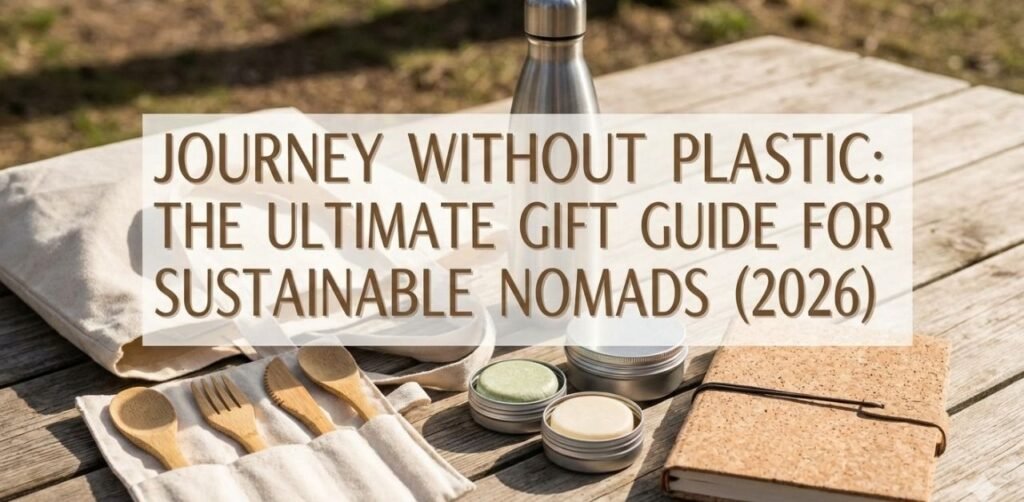

Eco-Friendly Alternative to Traditional Travel Souvenirs: Sustainable Memories That Matter
Traditional travel souvenirs often end up as dust collectors or landfill waste. That plastic Eiffel Tower keychain or mass-produced magnet contributes to global waste while offering little connection to your journey. The best eco-friendly alternative to traditional travel souvenirs creates lasting memories without harming the planet, reducing environmental impact while providing deeper, more authentic connections to the places you visit. Why Traditional Souvenirs Harm the Environment Mass-produced trinkets travel thousands of miles from factories, made from non-biodegradable plastics that persist in landfills for centuries. Many exploit local resources unsustainably, from shells harvested from endangered reefs to wood from threatened forests. Traditional Souvenir Environmental Issue Decomposition Time Plastic Keychains Non-biodegradable 400+ years Mass Magnets Factory emissions 100+ years Snow Globes Toxic plastic Never fully Seashells/Coral Destroys reefs Harms ecosystems High-Quality Photography represents the most sustainable option. Your smartphone captures authentic moments without consuming resources. Create dedicated albums for each destination or design digital photobooks using minimal materials. Video Diaries capture sounds and emotions that photos cannot. Record local musicians, markets, or sunset views. These moving memories evoke stronger connections than physical objects. Digital Journaling through apps combines words, photos, and sketches without paper waste. Cloud storage ensures memories last forever without physical storage space. Experience-Based Sustainable Souvenirs Local Cooking Classes provide skills and recipes you’ll use for years. Learning authentic paella in Spain or pad thai in Thailand creates lasting memories while supporting local instructors. Artisan Workshops connect you with craftspeople teaching traditional techniques. Pottery in Japan, weaving in Peru, or calligraphy in Morocco offer cultural immersion that becomes permanent souvenirs. Experience Type Impact Duration Cooking Classes Minimal Lifetime Artisan Workshops Minimal Lifetime Nature Tours None Very High Dance Lessons None Lifetime Sustainable Physical Souvenirs Handmade Local Crafts from artisan markets support communities while providing authentic pieces. Choose items made from renewable materials using traditional methods. A handwoven basket or naturally dyed textile carries cultural significance. Locally Produced Food and Spices make excellent eco-friendly alternatives to traditional travel souvenirs. Olive oil from Greece, coffee from Colombia, or spices from India provide sensory memories in recyclable packaging. Sustainable Alternatives: Conservation and Giving Back Donations to Conservation Projects create meaningful impact. Support wildlife sanctuaries, reef restoration, or community development. Organizations provide certificates as powerful reminders. Plant Trees through services like One Tree Planted. Receive GPS coordinates of “your” tree, creating a living memorial that fights climate change. Collection-Based Alternatives Collect Natural Items Ethically like fallen leaves or pressed flowers where permitted. Create shadow boxes capturing destinations without harming ecosystems. Check local regulations first. Passport Stamps from national parks or UNESCO sites provide collection satisfaction without waste. Many destinations offer special stamps documenting visits uniquely. Smart Shopping Guidelines Sustainable Souvenir Checklist: ✓ Made by local artisans ✓ Renewable materials ✓ Functional over decorative ✓ Supports fair wages ✓ Minimal packaging ✓ Culturally authentic ✓ Durable quality ✓ Lightweight design Frequently Asked Questions Question Answer What is the most eco-friendly souvenir? Digital memories like photos and videos have zero environmental impact while preserving experiences perfectly without requiring resources or creating waste. How can I support locals sustainably? Purchase from artisan markets, take local workshops, eat at family restaurants, or donate to conservation projects. Are handmade souvenirs eco-friendly? Not always. Check materials—avoid endangered wood, ivory, or coral. Sustainable crafts use renewable, locally-sourced materials. What should I avoid? Avoid endangered species products, plastic-heavy items, mass-produced goods, and unsustainably harvested materials. Can sustainable souvenirs be affordable? Yes! Pressed flowers, digital photos, stamps, and recipes cost nothing. Local produce is often affordable. How do I verify authenticity? Buy directly from makers, ask about materials and production, look for fair trade certifications, research regional crafts. Conclusion Choosing an eco-friendly alternative to traditional travel souvenirs doesn’t mean sacrificing meaningful mementos. Digital memories, experiential learning, and carefully selected handmade items create deeper connections while protecting environments that make destinations special. Every sustainable choice—from photographing sunsets to supporting local artisans—helps preserve treasures for future travelers. The shift toward sustainable souvenirs reflects broader planetary consciousness. When we choose experiences over objects and authentic connections over mass-produced memorabilia, we honor places visited and communities that welcome us. Your travel memories can be rich and lasting without environmental degradation. Start your next journey with intention: capture moments through photography, invest in local experiences, support genuine artisans, and give back to communities. These practices create the most valuable souvenirs—memories that inspire, skills that endure, and knowledge that your travels helped preserve the beauty you experienced.