
In 2026, smartphone cameras have reached a point where they can rival professional photography gear. However, the ocean remains the ultimate enemy of electronics. Whether you are swimming in the crystal-clear waters of the Maldives or snorkeling through the Great Barrier Reef, the right protection is non-negotiable.
Instead of hunting for specific brands that might go out of stock, the modern traveler should look for categories of protection. Understanding the difference between a simple beach pouch and a professional-grade housing is the key to keeping your device safe and your photos sharp.
Comparison: Types of Waterproof Protection
| Technology Type | Best Use Case | Max Depth | Photo Clarity |
| Air-Padded Pouches | Casual swimming & boating | 100ft (IPX8) | Good |
| Vacuum-Sealed Cases | Active snorkeling & video | 50ft | Excellent |
| Hard-Body Dive Shells | Deep diving & free diving | 130ft | Professional |
| Slim Integrated Cases | Surfing & coastal hiking | 20ft | Very Good |
1. The Universal Floating Pouch: Best for General Beach Travel
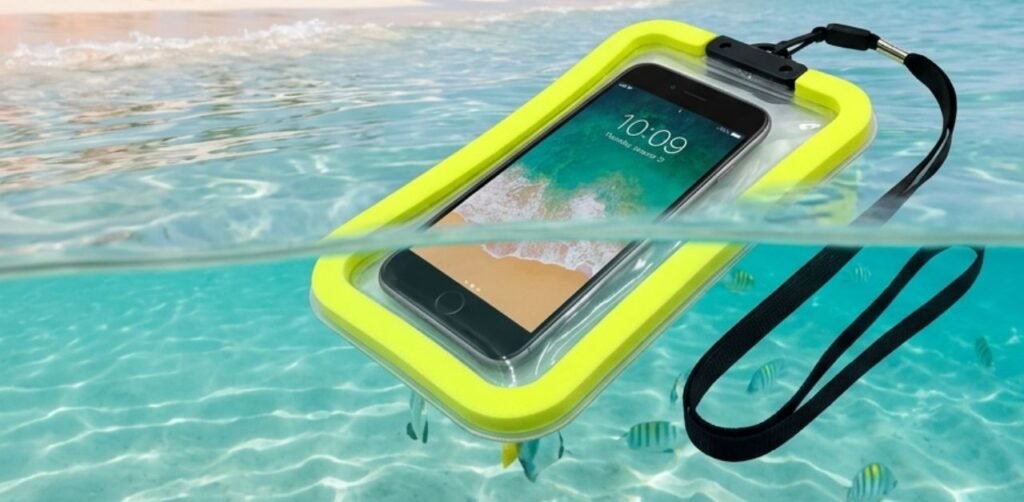
The most common type of protection is the universal soft pouch. In 2026, the best versions of these come with “active buoyancy.” These are transparent bags with a specialized air-filled border.
- The Benefit: If you accidentally drop your phone while boarding a boat or swimming, the case acts as a life jacket, keeping your phone on the surface.
- What to look for: Ensure it has a triple-lock seal and a reinforced nylon lanyard. This is a must-have item for any long-haul flight survival kit as it protects against accidental spills and rain at your destination.
2. Vacuum-Sealed Professional Housings: The Choice for Snorkelers
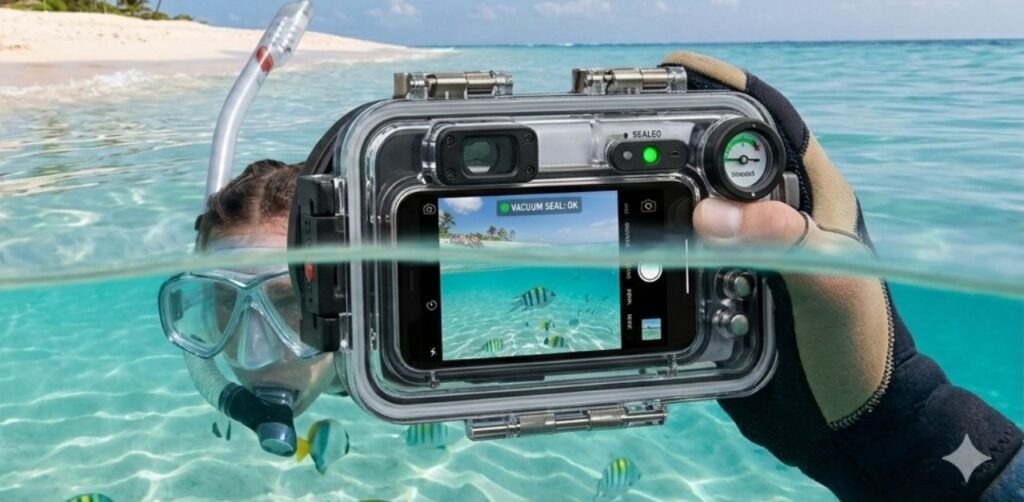
Standard pouches often struggle underwater because the air trapped inside pushes against the plastic, making the touchscreen hard to use. The 2026 solution is the Vacuum-Sealed Housing.
- How it works: These cases feature a small manual pump that sucks the air out of the case. This creates a “skin-tight” fit between the screen and the plastic.
- The Benefit: It eliminates the “touchscreen lag” caused by water pressure. This is essential if you want to switch between photo and video modes while chasing a sea turtle.
- Pro Tip: After a long day of filming underwater, your battery will likely be low. Make sure you have your high-speed GaN charger ready back at the hotel to get your phone back to 100% in minutes.
3. Hard-Shell Dive Cases: For the Deep Explorers
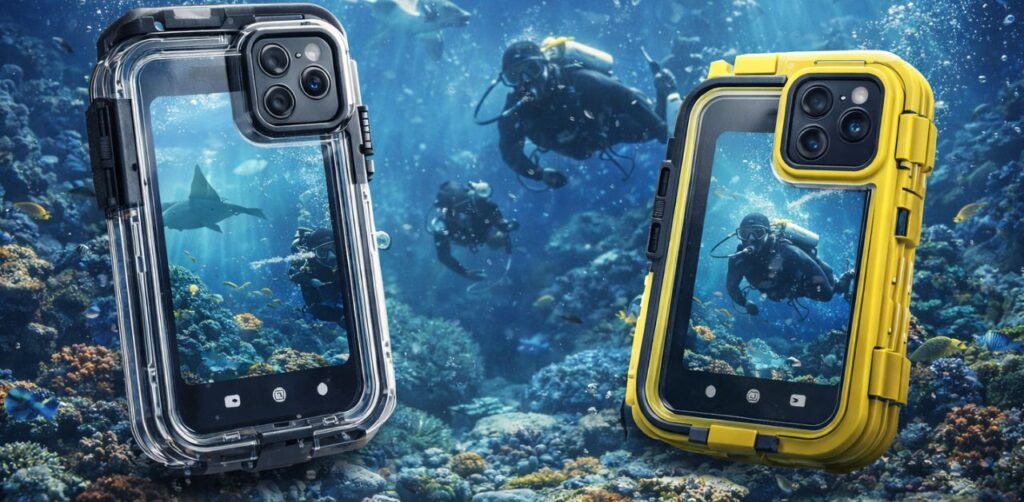
If your snorkeling turns into free diving (descending more than 10 feet), a soft pouch isn’t enough. You need a hard-shell case.
- The Technology: These are built from thick polycarbonate and use heavy-duty mechanical buttons to trigger the camera.
- The Benefit: They can withstand the heavy pressure of deep water without crushing your phone. Most of these also feature an “Optical Glass” port. Unlike plastic, glass doesn’t scratch easily and provides much clearer, color-accurate photos.
Key Technical Features to Check in 2026
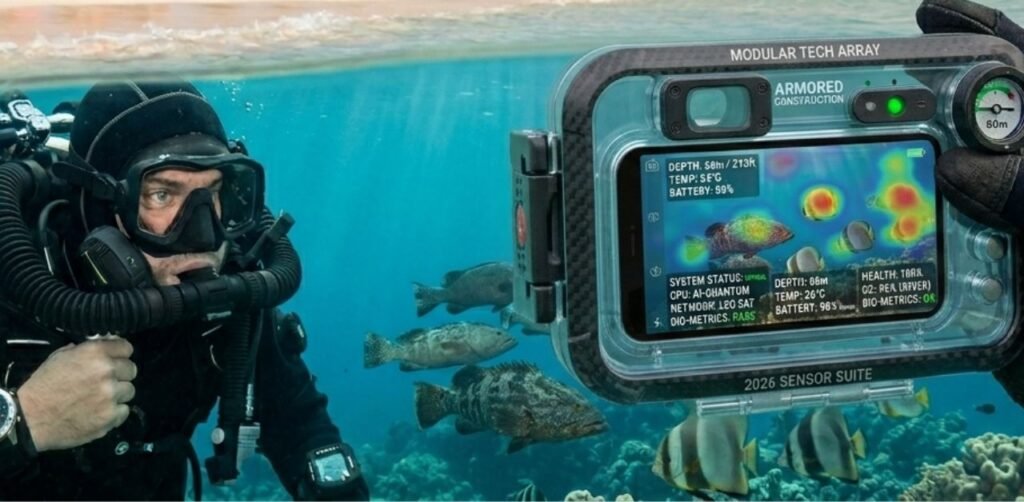
When browsing for your next trip, ignore the marketing fluff and look for these three technical specs:
- IPX8 Certification: Never buy a case without this. It confirms the case can stay underwater for at least 30 minutes at depths greater than 1 meter.
- Hydrophobic Lens Coating: Modern high-end cases have a special coating that prevents water droplets from sticking to the camera area. This ensures that when you lift your phone out of the water to take a selfie, there are no “blur spots” on the lens.
- High-Tactile Buttons: Since touchscreens can be temperamental in saltwater, the best cases have a dedicated physical “shutter button” built into the frame.
Internal Linking & Travel Synergy
Planning a snorkeling trip involves more than just a case. If you are traveling to a foreign country to find those secret reefs, you’ll need to communicate with local boat captains. A pocket-sized AI translator is a perfect companion to help you negotiate prices and find the best hidden spots.
Additionally, for those quiet moments on the boat ride back, don’t forget to pack your Sony or Bose noise-canceling headphones to block out the engine noise and relax with some music.
Maintenance Tips for Longevity
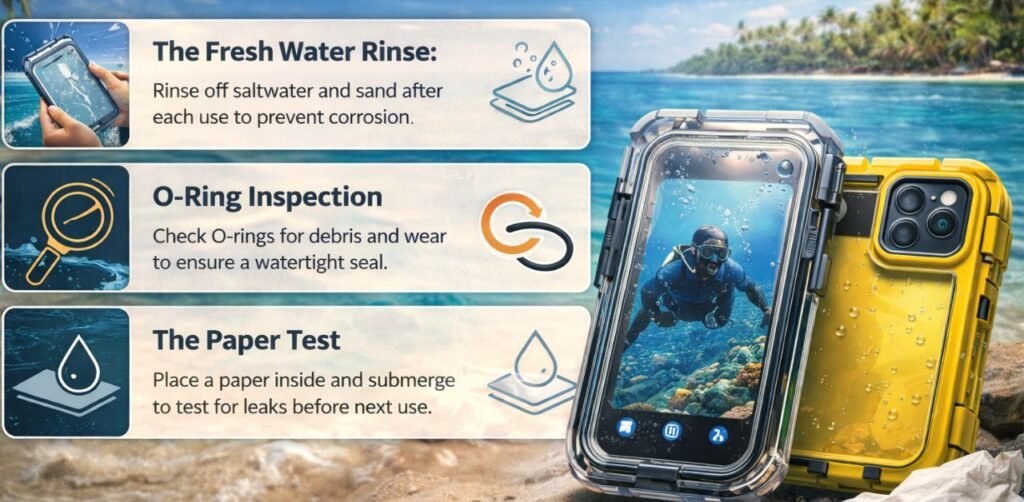
- The Fresh Water Rinse: Saltwater is extremely corrosive. After every beach trip, soak your case (with or without the phone) in fresh water for 10 minutes to dissolve salt crystals.
- O-Ring Inspection: If your case uses a rubber seal (O-ring), check it for hair or sand before every use. A single grain of sand can cause a leak.
- The Paper Test: Before every vacation, put a dry paper towel inside the case and submerge it in your sink for 30 minutes. If the towel stays dry, your case is ready for the ocean.
Frequently Asked Questions (FAQs)
Q: Can I use my phone’s fingerprint sensor or FaceID through these cases? A: FaceID usually works through high-clarity pouches, but fingerprint sensors (TouchID) generally do not work through the plastic. We recommend setting your phone to “Never Sleep” or using a passcode before you head into the water.
Q: Will salt water damage the case over time? A: High-quality TPU and Polycarbonate are resistant to salt, but the metal hinges or clips can rust if not rinsed with fresh water after every use.
Q: Is it safe to take these into a swimming pool? A: Yes, but be aware that chlorine can be just as harsh as salt. Always rinse the case after a pool session to prevent the plastic from turning yellow or becoming brittle.
Conclusion
Capturing the beauty of the ocean is one of the most rewarding parts of modern travel. By choosing a case based on its IPX8 rating, seal technology, and buoyancy, you are doing more than just buying a gadget—you are protecting your memories. Whether you opt for a simple floating pouch or a professional vacuum-sealed housing, ensure it fits your specific style of adventure.