
As we navigate through the modern era of 2026 the global shift toward sustainable living has reached every single corner of the international tourism industry. Exploring new destinations discovering hidden cultural gems and embarking on scenic getaways no longer has to come at the devastating expense of our planet’s fragile ecosystems. For conscious globetrotters cutting down and completely eliminating single use plastics is one of the most direct and impactful ways to preserve the natural beauty of the places we visit. Whether you are embarking on a casual weekend retreat or a comprehensive months long global expedition mastering zero waste travel ensures your physical footprint leaves nothing behind except wonderful lasting memories that respect local environments and cultures alike.For conscious globetrotters, eliminating single-use plastics directly preserves natural travel destinations. Mastering zero-waste travel ensures your physical footprint leaves only lasting, respectful memories.
1. Why Plastic Free Travel Matters in 2026
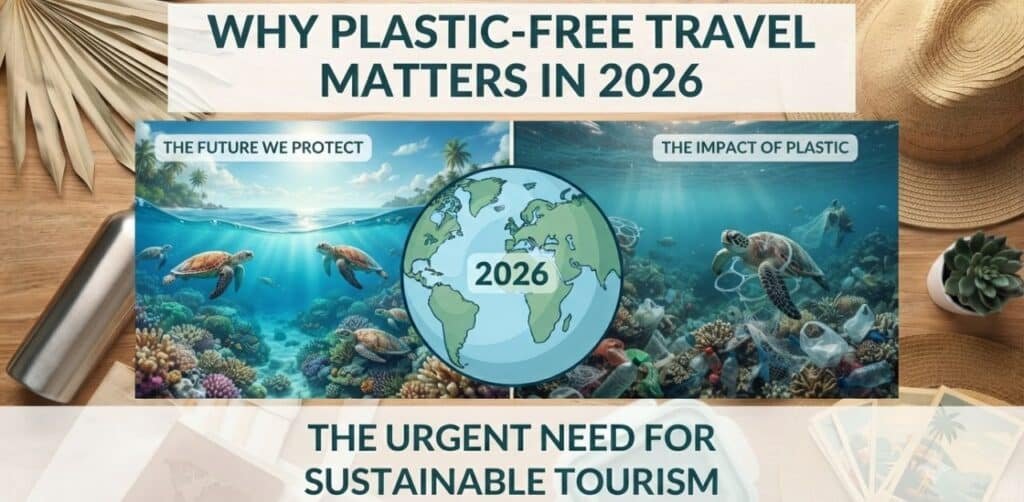
The environmental toll of mass tourism has faced unprecedented heavy scrutiny over recent years. Single use plastic bottles filmy plastic grocery bags and cheap disposable utensils continue to choke marine wildlife ruin pristine beaches and clutter breathtaking landscapes across the globe. In 2026 traveling plastic free is no longer just a passing trend or an optional hobby it has evolved into a core ethical responsibility for every modern citizen of the world who values nature.
When you proactively eliminate single use plastics from your personal packing list you actively support local developing economies that often struggle with outdated municipal waste management infrastructure. Countless global destinations have enacted strict legislative bans on non biodegradable plastic bags single use straws and disposable cutlery. Adapting to these progressive local laws protects you from facing unexpected local fines and seamlessly integrates you into the respectful eco conscious culture of your destination.Adapting to these progressive local laws protects you from facing unexpected local fines and seamlessly integrates you into the respectful, eco-conscious culture of your destination.
Furthermore minimizing your individual plastic reliance encourages local business owners hospitality providers and tour operators to seriously reconsider their underlying supply chains. When international tourists actively demand sustainable zero waste alternatives it drives powerful market transformation at a grassroots level proving beyond a doubt that individual consumer choices collectively yield monumental environmental shifts across popular tourist hotspots globally.
2. Essential Gear to Pack for a Plastic Free Trip
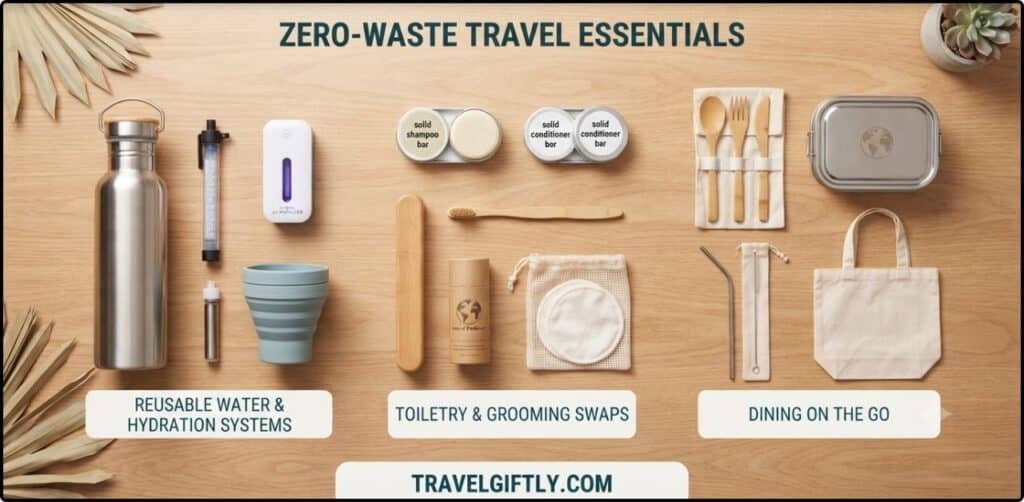
Preparation is the absolute secret weapon of any dedicated zero waste traveler. Swapping conventional wasteful travel items for durable reusable alternatives completely transforms your overall packing strategy. Below is an exhaustive detailed breakdown of the essential gear every modern adventurer needs for a seamless completely eco friendly journey.Bringing a durable, high-grade insulated stainless steel water bottle along with a portable UV purifier or hollow-fiber filter ensures completely safe drinking water anywhere in the world without ever needing to purchase a single plastic bottle.
Reusable Water and Hydration Systems
Buying disposable bottled water is undeniably the single largest contributor to overall travel waste worldwide. Bringing a durable high grade insulated stainless steel water bottle along with a portable UV purifier or hollow fiber filter ensures completely safe drinking water anywhere in the world without ever needing to purchase a single plastic bottle.
Toiletry and Grooming Swaps
Conventional hotel bathrooms are notorious for stocking countless tiny single use plastic shampoo conditioner and lotion bottles. Transitioning fully to solid shampoo bars bamboo toothbrushes and leakproof refillable silicone containers keeps your daily hygiene routine completely plastic free while comfortably complying with strict international airport liquid security regulations.
Dining on the Go
Vibrant street food stalls and bustling local markets are absolute highlights of any journey but they frequently come wrapped in layers of unnecessary plastic packaging. Packing a lightweight stainless steel spork a flexible reusable silicone straw and a sturdy collapsible food container allows you to enjoy local culinary delicacies completely guilt free while skipping single use cutlery entirely.
Table 1: Essential Plastic Free Swaps vs. Single Use Plastics
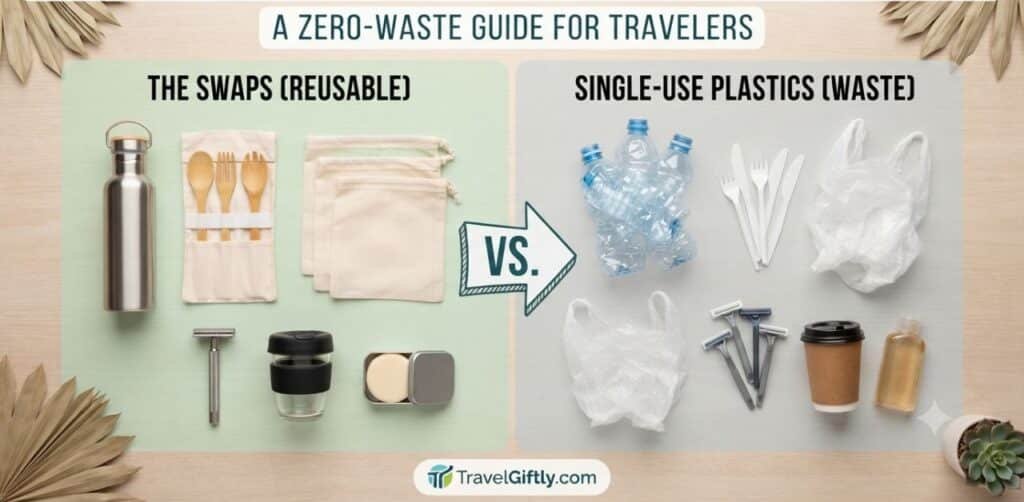
| Conventional Item | Plastic-Free Alternative | Primary Benefit |
| Single-Use Plastic Bottle | Insulated Stainless Steel Bottle | Keeps water cold for 24 hours and eliminates bottle waste. |
| Hotel Mini Shampoo Bottles | Solid Shampoo/Conditioner Bars | Zero packaging, long-lasting, and TSA-friendly. |
| Disposable Plastic Cutlery | Titanium or Bamboo Travel Spork | Lightweight, durable, and easily fits in a daypack. |
| Plastic Grocery Bags | Foldable Canvas Tote Bag | Stronger, holds more weight, and rolls up compactly. |
3. Navigating Transit and Airports Without Plastic
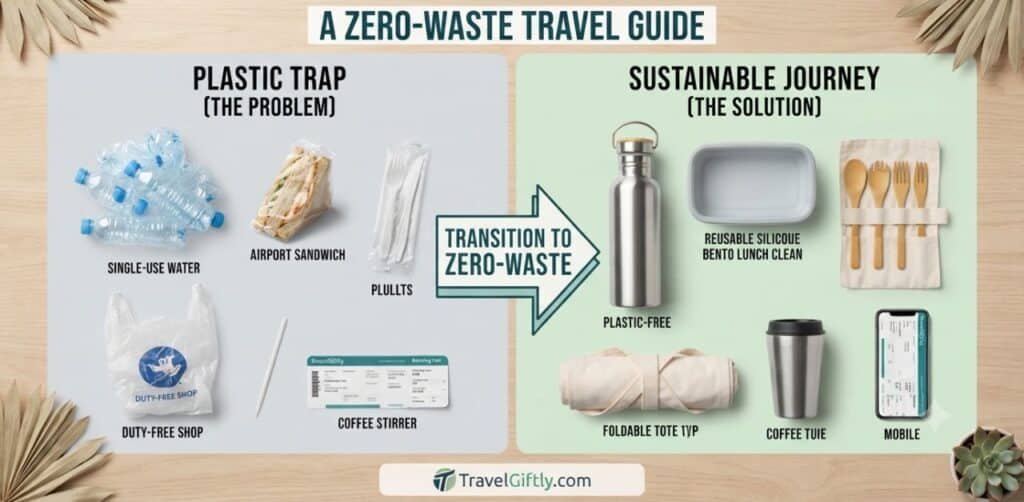
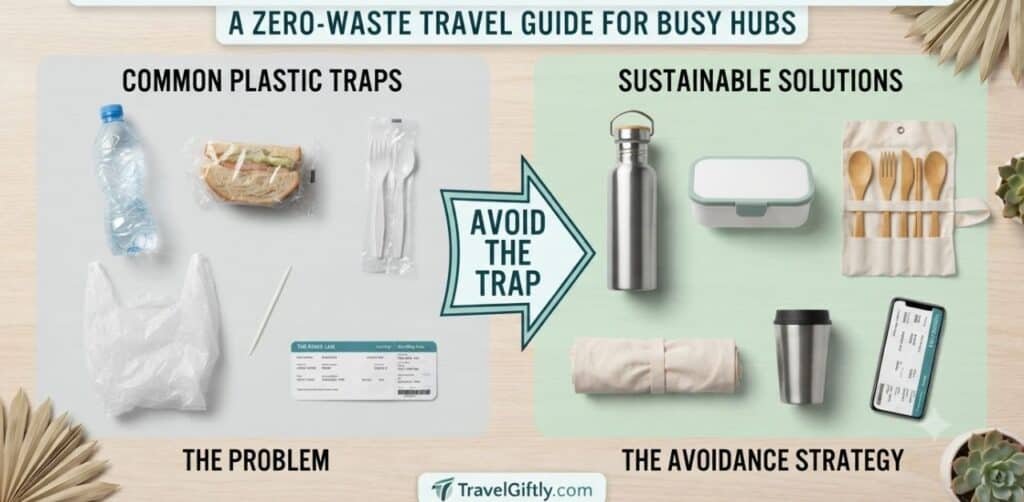
Airports train stations and transit hubs are notorious hotspots for convenience driven plastic waste ranging from heavily plastic wrapped convenience store sandwiches to mass produced bottled beverages. Navigating these hectic spaces sustainably requires a strategic combination of careful foresight and active preparation.
Always remember to thoroughly empty your reusable water bottle before entering airport security checkpoints and immediately fill it up at a public water fountain or dedicated hydration station once you successfully clear the checkpoint. For long haul flights commercial airlines frequently distribute meals packaged entirely in single use plastic containers and foil wrappers. Packing your own healthy homemade snacks in reusable cloth snack pouches or flexible silicone bags prevents you from having to rely on unwanted airline plastics. Additionally, politely refusing unnecessary plastic sleeves on duty free shopping items or airport promotional literature keeps your transit experience entirely waste free.
Table 2: Transit Hub Plastic Traps and How to Avoid Them
| Transit Situation | Common Plastic Trap | Eco-Friendly Solution |
| Airport Security & Waiting | Bottled water and soft drinks | Carry an empty metal flask and fill it airside. |
| In-Flight Meals | Plastic cutlery and foil-topped cups | Bring your own bamboo cutlery set and snack box. |
| Train Stations | Plastic-wrapped travel magazines & snacks | Download digital reading materials and pack homemade snacks. |
| Duty-Free Shopping | Plastic carrier bags for souvenirs | Keep a lightweight fold-up backpack handy in your personal item. |
4. Sustainable Accommodation Choices
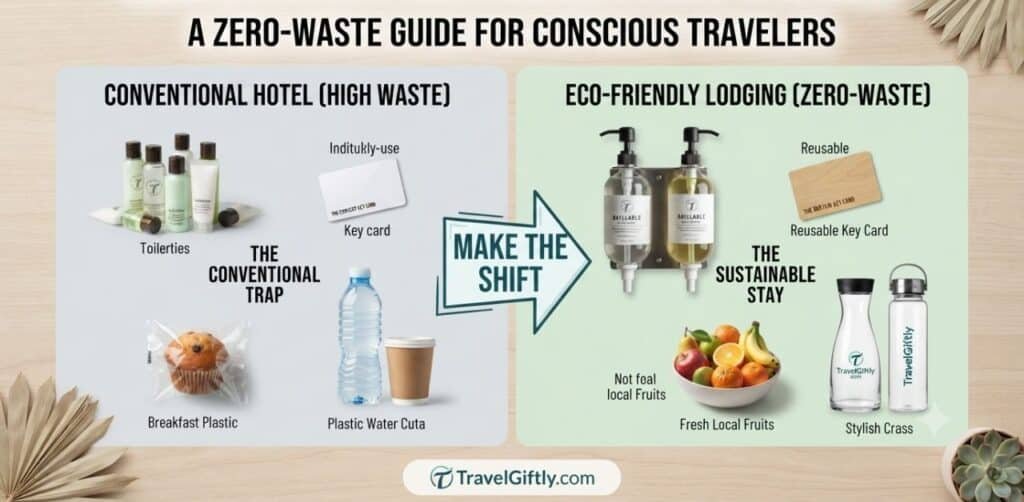
Where you choose to stay during your travels plays a massive role in determining your overall daily plastic footprint. In 2026 progressive eco resorts green certified hotels and sustainable boutique guesthouses have completely revolutionized the modern hospitality landscape by actively eliminating single use plastics from their properties entirely.
When booking your upcoming accommodation look closely for properties that provide large bulk soap and shampoo dispensers instead of wasteful miniature toiletries offer clean filtered water refill stations in common lobbies and enforce strict institutional recycling protocols. Communicating your eco friendly preferences ahead of time lets hospitality managers know clearly that modern travelers genuinely value environmental accountability. Choosing green stays also encourages the broader hospitality industry to invest heavily in long term eco friendly infrastructure and reduce systemic resource consumption globally.
Table 3: Hotel Practices to Watch For
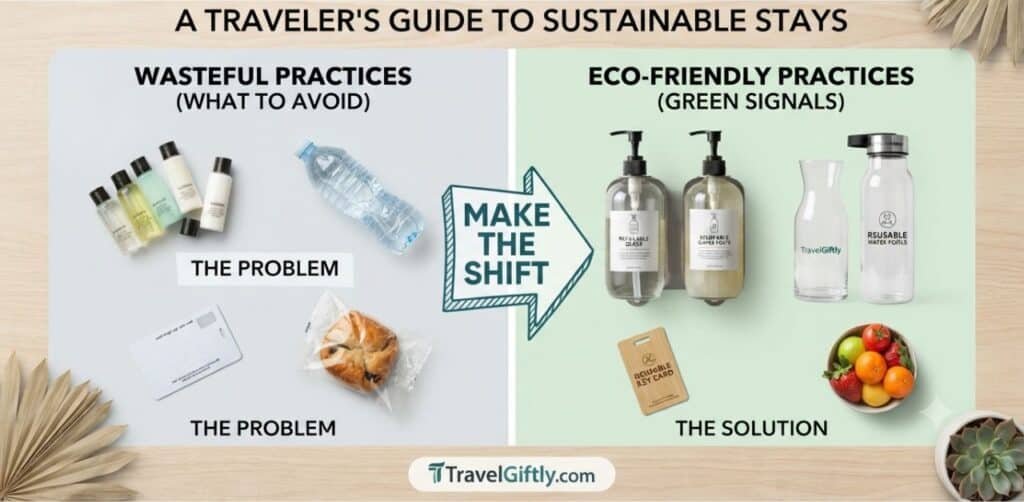
| Accommodation Feature | Standard Practice (High Waste) | Sustainable Practice (Zero-Waste) |
| Bathroom Amenities | Individual plastic soap and shampoo bottles | Large wall-mounted glass pump dispensers |
| Drinking Water | Complimentary plastic bottled water in rooms | Glass bottles refilled daily or filtered water taps |
| Breakfast Service | Individual plastic butter tubs and cereal cups | Bulk dispensers, fresh local produce, and reusable dishware |
| Cleaning Products | Chemical-laden liquids in plastic jugs | Eco-certified, bulk-purchased cleaning supplies |
5. Eating, Drinking, and Shopping Responsibly Abroad
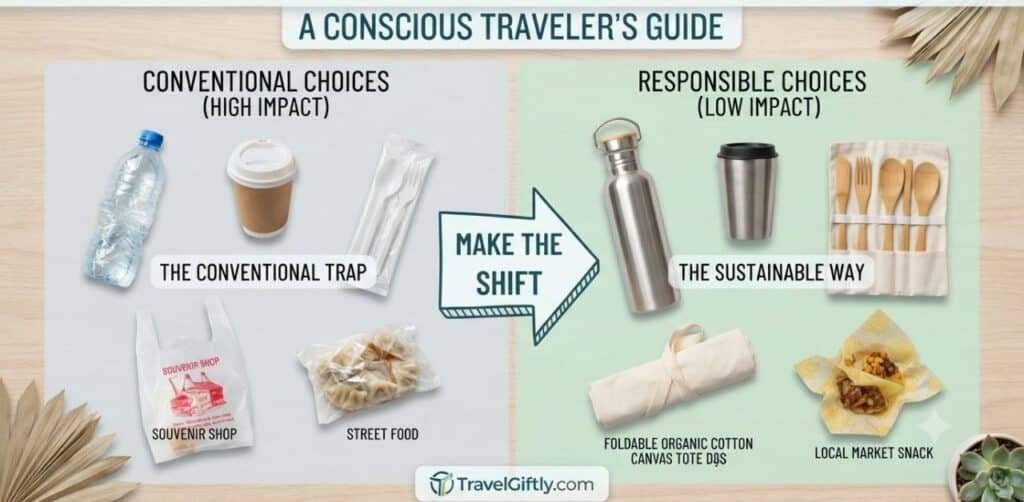
Immersing yourself deeply in vibrant local food markets and independent artisan shops is an exceptionally thrilling part of any travel experience but it requires mindful navigation to successfully avoid the accumulation of excessive packaging waste.Always carry a lightweight, easily foldable canvas tote bag right inside your pocket or daily daypack.
Always carry a lightweight easily foldable canvas tote bag right inside your pocket or daily daypack. When ordering delicious street food or visiting charming local cafes politely decline single use plastic straws and carrier bags by learning the simple local phrase for no plastic please. If you are purchasing meaningful souvenirs to bring back home choose authentic locally crafted items wrapped carefully in simple paper or cloth rather than mass produced tourist trinkets encased in thick plastic packaging. Actively supporting local artisans who deeply value sustainable craftsmanship ensures your spending habits directly preserve traditional low impact cultural heritages.
Table 4: Regional Market Shopping Checklist
| Item Category | What to Avoid | Sustainable Alternative |
| Street Food & Snacks | Styrofoam boxes and plastic bags | Reusable silicone container or beeswax wrap |
| Beverages & Juices | Plastic cups with plastic lids and straws | Stainless steel tumbler or glass jar |
| Artisan Souvenirs | Bubble wrap and plastic gift packaging | Sturdy cloth pouch or paper wrapping |
| Local Produce | Pre-packaged plastic-wrapped fruits | Loose market produce placed directly into mesh produce bags |
6. Frequently Asked Questions (FAQs)
1. Is it really possible to travel completely plastic free?
While eliminating 100% of plastic in every imaginable scenario can occasionally be challenging due to strict medical needs or remote infrastructure constraints, achieving a 95% overall reduction is entirely possible with proper advanced planning and reliable reusable alternatives.
2. How do I find safe drinking water without buying plastic bottles?
Invest in a high grade travel water filter bottle portable UV sterilizer or lightweight pump purifier. This allows you to safely treat tap water or natural freshwater sources anywhere in the world without worry.
3. Will solid toiletries cause issues at airport security?
Not at all. Solid shampoo bars, concentrated conditioner bars and solid lotion bars do not count toward your standard airport liquid allowance making them much faster and easier to clear through strict TSA security lines.
4. What should I do if a restaurant automatically gives me a plastic straw?
Simply decline it politely right when ordering your drink or keep a reusable stainless steel glass or silicone straw handy in your daypack for all your beverage needs.
5. Are eco friendly travel products heavy to pack?
Most modern zero waste travel gear is specifically engineered to be ultra lightweight compact and collapsible adding virtually zero noticeable extra weight or bulk to your luggage.
6. How do I handle waste management in remote hiking areas?
Always follow the strict universally respected Leave No Trace principles. Carry a small dedicated trash bag inside your backpack to pack out all your waste including organic food scraps that do not decompose quickly in foreign local climates.
7. Can I find plastic-free options in developing countries?
Yes traditional local markets across developing nations often utilize natural packaging materials like banana leaves woven baskets or simple paper frequently making it much easier to avoid plastic than in heavily industrialized supermarket chains.
8. What is the best way to pack snacks for long journeys?
Use washable organic cotton snack bags or flexible food grade silicone pouches that can easily be washed out and reused throughout the entirety of your trip.
9. How do I wash my reusable items while traveling?
Carry a small compact solid bar of travel soap or eco friendly liquid camp soap inside a leakproof container to easily wash your bottles sporks and food containers on the go.
10. Are biodegradable plastics a good option for travel?
True home compostable organic materials are fantastic but many commercial biodegradable plastics actually require specialized industrial composting facilities to break down properly meaning reliable reusable items remain the superior choice.
11. How can I encourage hotels to reduce plastic use?
Leave positive public reviews praising their eco friendly policies and politely mention via private management feedback forms if unnecessary single use plastics were provided during your stay.
12. What is the easiest first step for a beginner zero waste traveler?
Start by completely replacing single use plastic water bottles and disposable shopping bags as these two everyday items account for the vast majority of all traveler generated waste globally.
Conclusion
Embracing a dedicated plastic free lifestyle while exploring the wondrous corners of the world in 2026 is an immensely rewarding personal challenge that deeply enriches your connection to the unique destinations you visit. By packing smart durable gear carefully choosing conscious accommodations and making mindful daily consumer choices you help protect fragile global ecosystems for future generations of travelers. Every single small swap counts tremendously and your exciting journey toward sustainable travel starts with one single conscious decision today.
Author Note
Written by Nabila founder of TravelGiftly.com. Passionate about exploring the globe while championing sustainable tourism practices and smart eco friendly travel gear solutions.