
When planning an unforgettable journey travelers invest considerable time selecting dream destinations booking low emission flights and curating detailed itineraries. However one of the most critical elements of eco conscious travel often gets overlooked. where you choose to lay your head at night. Traditional hotels commercial resorts and unverified vacation rentals consume massive amounts of continuous energy generate excessive single use plastic waste and leave behind a heavy carbon footprint that directly accelerates global climate change. Shifting toward eco friendly carbon neutral accommodation is an essential step for anyone dedicated to protecting the planet while exploring the globe.
For modern travelers aiming to minimize their environmental impact understanding how to evaluate audit and select truly green lodging options is invaluable. Sustainable travel goes far beyond bringing reusable bottles purchasing ethical keepsakes or minimizing plastic use during sightseeing. it encompasses the core infrastructure supply chain logistics and daily operational ethics of your temporary home away from home. This comprehensive guide explores practical strategies globally recognized certifications advanced energy frameworks and essential questions to help you seamlessly find and book carbon neutral accommodations anywhere in the world.
The Environmental Impact of Conventional Hospitality

The global hospitality sector accounts for a surprisingly massive share of global greenhouse gas emissions. Traditional hotels rely heavily on fossil fuels for continuous climate control massive daily laundry operations endless hot water systems and round the clock room cleaning cycles. Furthermore high guest turnover rates often lead to astronomical quantities of food waste from commercial dining facilities and thousands of discarded single use bathroom amenities that choke local landfills.
When progressive accommodations transition toward true carbon neutrality they actively measure their greenhouse gas emissions across all scopes and implement rigorous structural strategies to reduce those emissions down to absolute zero. This multi layered approach includes deep retrofitting of older buildings for optimal thermal insulation transitioning to localized renewable power grids and neutralizing remaining unavoidable emissions through verified high impact carbon offset projects. Choosing these properties ensures that your tourism expenditure directly combats climate change rather than funding environmentally destructive practices.
Core Strategies for Identifying Eco-Friendly Stays
Finding genuine green accommodations requires looking far past flashy marketing slogans and colorful green branding. Many commercial hospitality chains utilize vague terms like eco friendly natural oasis or green stay without backing them up with verifiable operational changes or transparent structural audits. To separate true sustainability from surface level greenwashing you must analyze a property’s core operational pillars ranging from its energy matrix to its community impact.
1. Look for Credible Third-Party Eco-Certifications
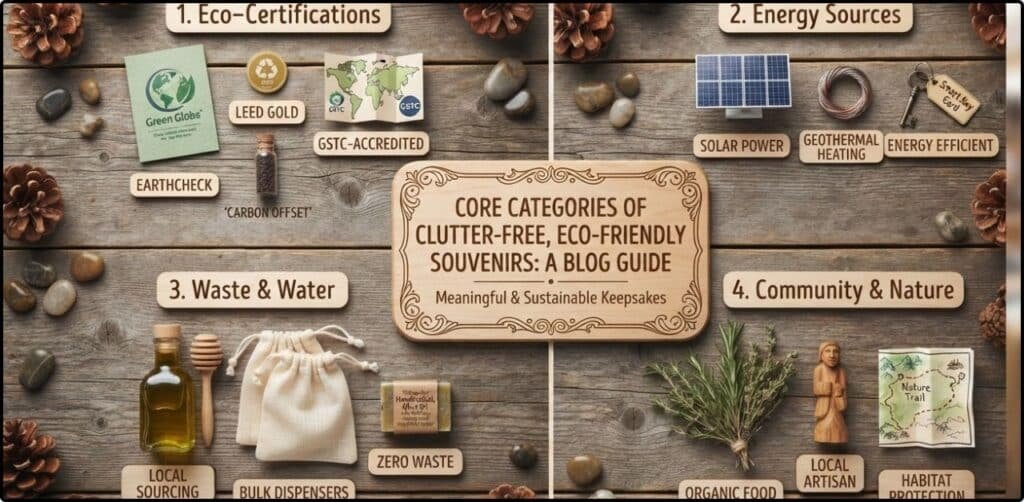
The absolute most reliable way to verify whether a hotel resort or eco lodge is genuinely sustainable is to check for internationally recognized third party certifications. Independent audits conducted by unbiased environmental agencies ensure that a property meets strict scientifically backed ecological and social performance standards.
- Green Globe Certification: A rigorous global standard focusing on sustainable management social policies cultural heritage protection and long term environmental conservation.
- LEED Certification (Leadership in Energy and Design): Identifies buildings constructed or retrofitted using high performance energy saving technologies non toxic materials and optimal water systems.
- EarthCheck Standards: Measures rigorous benchmarking and scientific certification for the international travel and tourism industry tracking greenhouse gas output and waste reduction metrics.
- GSTC-Accredited Programs: The Global Sustainable Tourism Council sets baseline universal standards for sustainability in travel helping travelers instantly spot trustworthy green accommodations.
Table 1: Conventional Hotels vs. True Carbon-Neutral Accommodations
| Feature Area | Conventional Hospitality | Carbon-Neutral Accommodation | Primary Environmental Benefit |
| Energy Supply | Fossil fuel-based electricity grids | Solar, wind, or geothermal power sources | Drastically lowers direct carbon emissions |
| Water Systems | High-flow fixtures, daily linen washing | Graywater recycling, low-flow aerators, opt-in laundry | Conserves vital local water resources |
| Waste Control | Single-use plastic toiletries and bottles | Bulk dispensers, zero-waste kitchen practices | Eliminates plastic pollution in local ecosystems |
| Sourcing | Imported food items and synthetic textiles | Locally grown organic food, regional rustic furnishings | Supports regional farmers and cuts transport miles |
2. Evaluate Energy Sources and Operational Efficiency
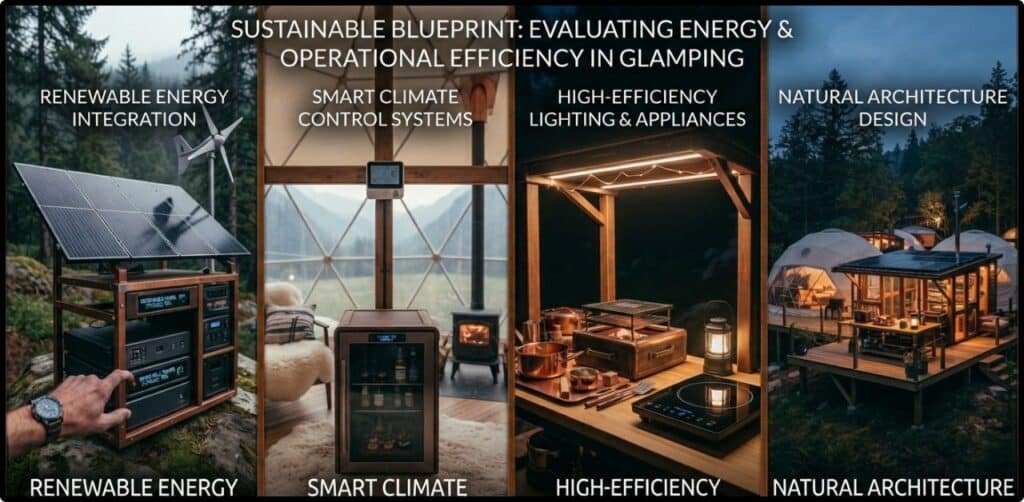
A truly low impact accommodation must prioritize energy conservation and transition toward localized renewable power generation. When reviewing a property’s website or contacting their management team look for specific engineering and operational practices that minimize electricity consumption.
- Renewable Energy Integration: Check if the property utilizes rooftop solar photovoltaic panels small scale wind turbines or deep geothermal heating systems to power guest rooms and common areas.
- Smart Climate Control Systems: Energy efficient properties install intelligent motion sensors automated keycard power cutoffs and smart thermostats that prevent air conditioning or heating from running in empty rooms.
- High Efficiency Lighting and Appliances: Upgrading entirely to high efficiency LED lighting architecture and energy star rated commercial appliances significantly reduces the daily electricity draw of the entire building.
- Natural Architecture Design: Look for eco lodges built using passive solar cooling design principles natural cross ventilation corridors and local insulation materials that completely eliminate the need for artificial climate control.
Table 2: Practical Accommodation Selection Matrix
| Property Type | Typical Carbon Footprint | Eco-Friendliness Level | Best Suited For |
| Urban Boutique Eco-Hotel | Low to Moderate | High (if LEED certified) | City explorers looking for green tech |
| Off-Grid Nature Eco-Lodge | Very Low | Maximum (often solar-powered) | Nature lovers and mindful hikers |
| Traditional Mega-Resort | Extremely High | Low (frequent greenwashing) | Travelers prioritizing luxury over impact |
| Certified Homestay | Minimal | High (community integrated) | Cultural immersion and slow travel |
3. Assess Water Conservation and Waste Management
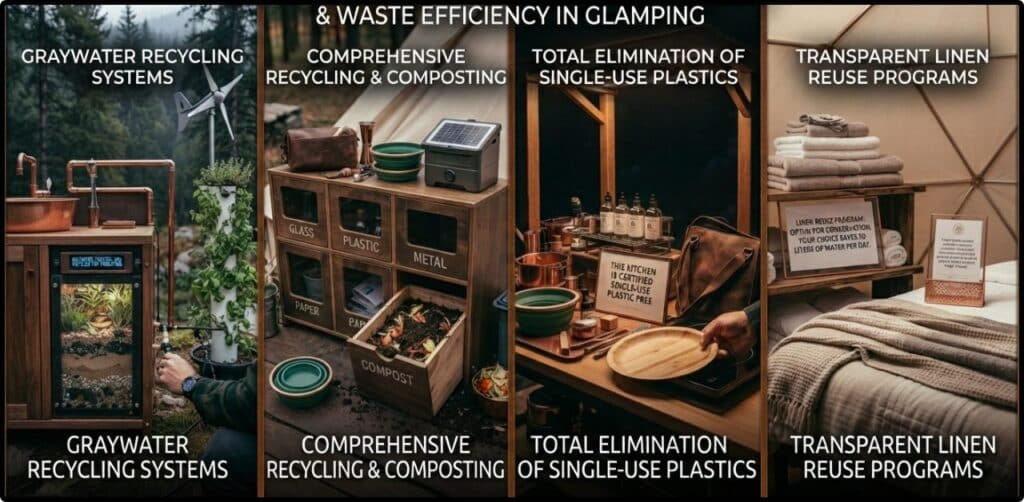
Freshwater scarcity and effective waste management are critical pillars of sustainable hospitality. Responsible accommodation providers implement closed loop systems to protect surrounding local ecosystems and conserve community water supplies.
- Graywater Recycling Systems: Advanced eco stays treat wastewater safely from guest sinks showers and laundry facilities to irrigate organic gardens and landscaping rather than drawing fresh municipal drinking water.
- Comprehensive Recycling and Composting: Properties should feature clear multi stream sorting systems for guests alongside back of house composting programs that turn kitchen food scraps into rich soil nutrients.
- Total Elimination of Single Use Plastics: Premium sustainable stays completely ban individual plastic water bottles miniature shampoo containers and plastic stirrers replacing them instead with refillable glass carafes and bulk ceramic dispensers.
- Transparent Linen Reuse Programs: Thoughtful linen and towel reuse options empower conscious guests to save millions of gallons of water and energy by reducing unnecessary daily commercial laundry cycles.
Table 3: Common Hospitality Greenwashing Traps vs. Real Sustainable Practices
| The Marketing Trap (What to Avoid) | The Genuine Practice (What to Look For) | Why It Matters |
| “Help us save the planet by reusing towels” (while ignoring energy waste) | Comprehensive energy monitoring and solar power integration | Targets actual high-impact emissions rather than shifting responsibility solely to guests |
| Vague phrases like “eco-friendly oasis” or “close to nature” | Validated third-party certifications like Green Globe or EarthCheck | Ensures objective verification of environmental standards |
| Token green gestures like a single potted plant in the lobby | Active local community partnerships and habitat restoration | Proves deep commitment to environmental and social stewardship |
| Imported organic snacks wrapped in non-recyclable plastic | Zero-waste kitchen sourcing from local organic farmers | Minimizes transport carbon emissions and eliminates packaging waste |
4. Support Local Communities and Biodiversity
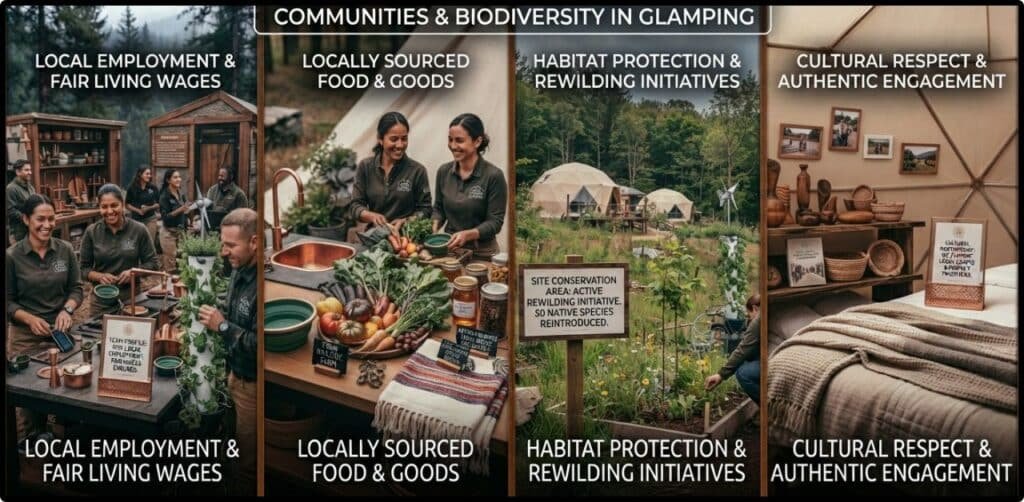
True sustainability encompasses deep social responsibility and active ecological preservation. Responsible accommodation providers act as positive protective stewards of their local community and the surrounding natural environment.
- Local Employment and Fair Living Wages: Ethical stays prioritize hiring local community members paying fair living wages and investing heavily in continuous staff training and career development.
- Locally Sourced Food and Goods: On site restaurants that partner directly with regional organic farmers ranchers and fishermen drastically reduce food miles and support the regional agricultural economy.
- Habitat Protection and Rewilding Initiatives: Many exceptional eco lodges actively dedicate a significant portion of their land to rewilding protecting endangered flora and creating safe protected migration corridors for local wildlife.
- Cultural Respect and Authentic Engagement: Accommodations that honor indigenous heritage provide authentic deeply respectful experiences without exploiting local culture purely for tourist entertainment.
Table 4: Evaluating Green Accommodation Transparency
| Evaluation Parameter | Positive Indicator | Red Flag Warning |
| Energy Data | Published carbon reduction targets and solar metrics | Complete lack of energy information or vague claims |
| Bathroom Amenities | Refillable bulk glass or ceramic dispensers | Individual single-use plastic bottles and miniature soaps |
| Dining Practices | Seasonal menus featuring local farm produce | Imported packaged foods and excessive single-use tableware |
| Staff Engagement | Well-informed staff trained in sustainability practices | Staff unable to answer basic questions about eco-policies |
Sustainable Booking: How to Find Green Stays Online

Finding and securing true carbon neutral accommodations requires utilizing specialized search platforms knowing what questions to ask and reviewing corporate policies before confirming your reservation.
- Use Specialized Eco Booking Platforms: Platforms like Bookdifferent Ecobnb and Green Pearls exclusively highlight properties verified through strict environmental criteria and transparent performance data.
- Read Beyond the Marketing Copy: Check the hotel’s dedicated sustainability report or corporate social responsibility (CSR) page to evaluate measurable data rather than accepting vague marketing claims.
- Contact Management Directly: Send a polite direct message inquiring about their carbon offset verification local sourcing percentages and community waste reduction methods.
- Combine with Eco-Travel Gear: Pairing your green stay with conscious daily travel habits such as packing eco friendly toiletries reusable utensils and solar chargers completes your sustainable travel profile.
Frequently Asked Questions
What does carbon-neutral accommodation mean?
A carbon neutral accommodation calculates its total greenhouse gas emissions from energy use transport and operations reduces them as much as possible and neutralizes the remaining emissions through certified carbon offset projects.
How can I verify if a hotel is actually eco-friendly?
Look for independent third-party certifications such as Green Globe LEED EarthCheck or GSTC accredited program badges displayed on their official website.
Are eco friendly accommodations more expensive than standard hotels?
Not always. While some luxury eco lodges command higher prices due to specialized off grid technology many boutique eco hotels and certified green properties offer competitive rates comparable to standard hotels.
Do carbon neutral hotels require me to sacrifice comfort?
No. Modern sustainable accommodations blend high end comfort with environmental responsibility offering luxury amenities powered by renewable energy and sustainable materials.
What is an off grid eco lodge?
An off grid eco lodge operates independently from municipal utility grids generating its own solar or wind power harvesting rainwater and managing its own waste treatment systems.
How do I check a hotel’s water conservation practices?
Check their website for mentions of graywater recycling systems low flow plumbing fixtures rainwater harvesting and transparent linen reuse policies.
Can vacation rentals and Airbnbs be carbon-neutral?
Yes. Many independent hosts utilize solar power energy efficient appliances local cleaning products and smart thermostats to ensure low impact stays.
What are carbon offsets in the hospitality industry?
Carbon offsets are investments in environmental projects such as reforestation renewable energy creation or soil carbon sequestration that balance out the carbon emissions generated by your stay.
Why is local sourcing important for a green hotel?
Local sourcing reduces the fossil fuels required to transport food and goods while directly supporting regional farmers artisans and the local economy.
How does sustainable accommodation reduce food waste?
Sustainable hotels often implement portion tracking partner with local composting initiatives and source ingredients locally to minimize perishables and waste.
Are boutique hotels more sustainable than large chain hotels?
It varies. While large chains have more capital to invest in LEED retrofits, independent boutique eco hotels often have smaller footprints and deeper community connections.
What should I ask a hotel before booking if their green status is unclear?
Ask specific questions about their energy sources single use plastic policies waste recycling programs and whether they hold any verified environmental certifications.
Conclusion
Choosing a carbon neutral travel accommodation is one of the most impactful decisions you can make as a conscious explorer. By looking past greenwashing prioritizing properties with verified eco certifications and supporting establishments dedicated to renewable energy and waste reduction you ensure your travels leave a positive legacy. Mindful lodging transforms your vacation into an active force for climate protection proving that memorable journeys and environmental stewardship go hand in hand.
Author Note
Written by Nabila founder of TravelGiftly. Deeply passionate about promoting sustainable tourism ethical travel habits and zero waste outdoor adventures across the globe.