
The dream of truly “unplugging” while staying connected for safety and navigation is now a reality. For modern adventurers, solar-powered backpacks for off-grid camping and hiking have transitioned from niche gadgets to essential survival gear. As we move through 2026, the technology behind wearable solar energy has reached a tipping point, offering faster charging speeds, lighter materials, and better energy storage than ever before.
The Evolution of Solar Technology in Outdoor Gear
Only a few years ago, solar panels on backpacks were often bulky, inefficient, and prone to breaking. However, the latest generation of off-grid gear utilizes CIGS (Copper Indium Gallium Selenide) and high-efficiency monocrystalline cells. These materials allow the panels to be flexible, meaning they won’t crack when you stuff your bag into a tight spot or lean against a rock during a break.
For the serious hiker, this means the ability to power high-drain devices like DSLR cameras, drones, and GPS units without carrying five pounds of spare batteries. A solar backpack acts as a mobile power station, utilizing sunlight to provide a continuous stream of renewable energy while you trek.
Why Solar-Powered Backpacks are a Game Changer
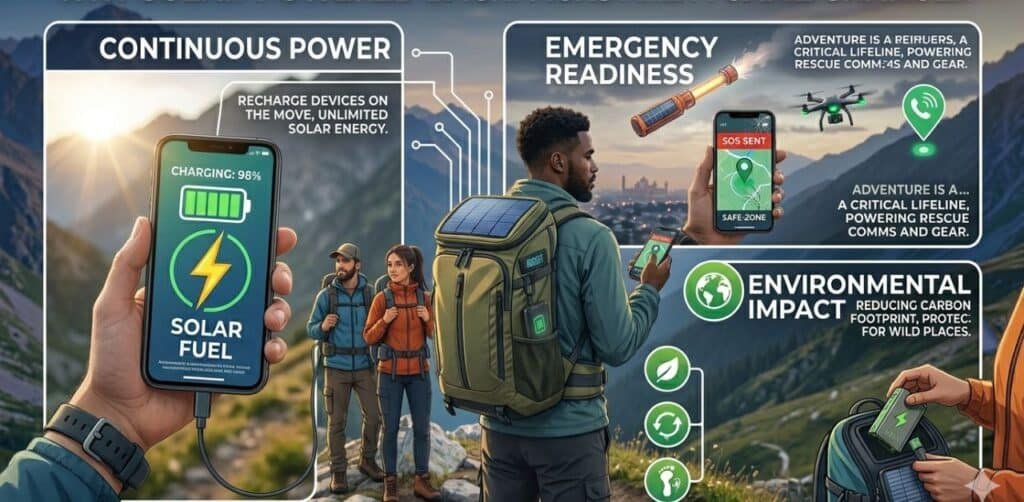
When you are miles away from the nearest power outlet, your tech is only as good as its battery life. These packs are designed for:
- Continuous Power: Keeping power banks topped up during daylight hours for use at night.
- Emergency Readiness: Ensuring you always have enough juice for an SOS satellite messenger call.
- Weight Optimization: Reducing the need to carry multiple heavy, dedicated portable batteries.
- Environmental Impact: Utilizing clean energy and reducing battery waste in sensitive wilderness areas.
Key Features to Look for in 2026
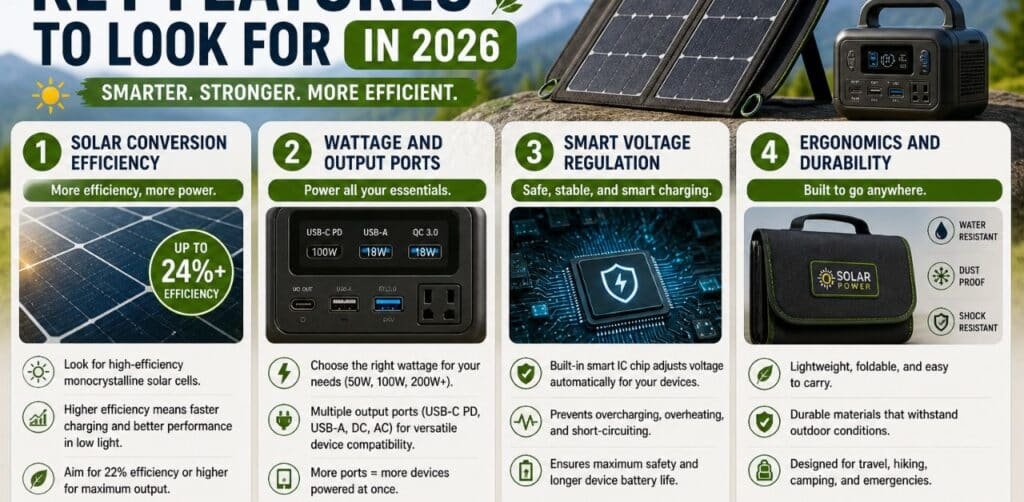
Choosing the right pack requires more than just looking at the solar panel. To ensure your gear survives rugged conditions, prioritize these features:
1. Solar Conversion Efficiency
The efficiency rating determines how much sunlight is actually turned into electricity. In 2026, you should look for panels with at least a 23% to 25% efficiency rating. Anything lower will struggle to charge modern, power-hungry smartphones in a reasonable timeframe.
2. Wattage and Output Ports
For basic phone charging, a 7W to 10W panel is sufficient. However, for off-grid camping where you might have multiple devices, a 20W to 30W output is the gold standard. Ensure the pack has a built-in USB-C Power Delivery (PD) port to accommodate the latest gadgets.
3. Smart Voltage Regulation
Sunlight isn’t constant; it changes as you walk under trees or clouds. A high-quality backpack must have a voltage regulator to prevent “on-off” charging cycles, which can damage your Smart Travel Tech and drain the battery instead of charging it.
4. Ergonomics and Durability
At its core, it is still a backpack. Look for “S-curve” shoulder straps, a ventilated back panel, and high-denier ripstop nylon. The panels themselves should be coated in ETFE, a specialized plastic that is highly resistant to heat, UV rays, and scratches.
Top Solar Backpacks Comparison (2026 Models)
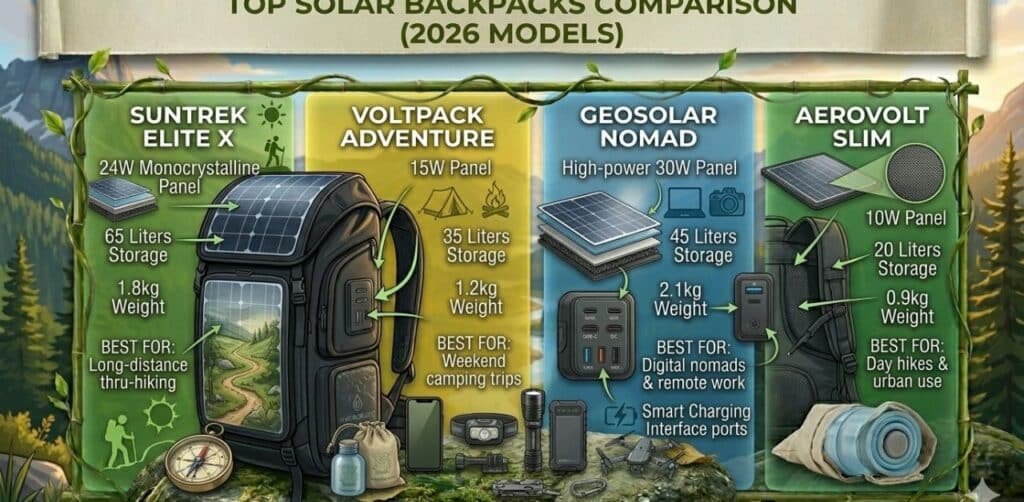
| Model | Panel Wattage | Storage Capacity | Weight | Best For |
| SunTrek Elite X | 24W | 65 Liters | 1.8kg | Long-distance thru-hiking |
| VoltPack Adventure | 15W | 35 Liters | 1.2kg | Weekend camping trips |
| GeoSolar Nomad | 30W | 45 Liters | 2.1kg | Digital nomads & remote work |
| AeroVolt Slim | 10W | 20 Liters | 0.9kg | Day hikes & urban use |
Strategic Integration into Your Travel Kit
A solar backpack is often the centerpiece of a high-end travel kit. Many hikers find that these packs are among the best Gifts for Travel Lovers because they solve the universal problem of power anxiety.
When you pair your solar backpack with other luxury travel items—such as high-end leather accessories or noise-canceling headphones found in our Top 20 Luxury Travel Gifts for Men guide—you create a seamless blend of style and utility. For those documenting their journey, having a reliable power source for cameras and editing equipment is what separates a casual hobbyist from a professional digital creator.
Maximizing Your Solar Efficiency: Pro Tips
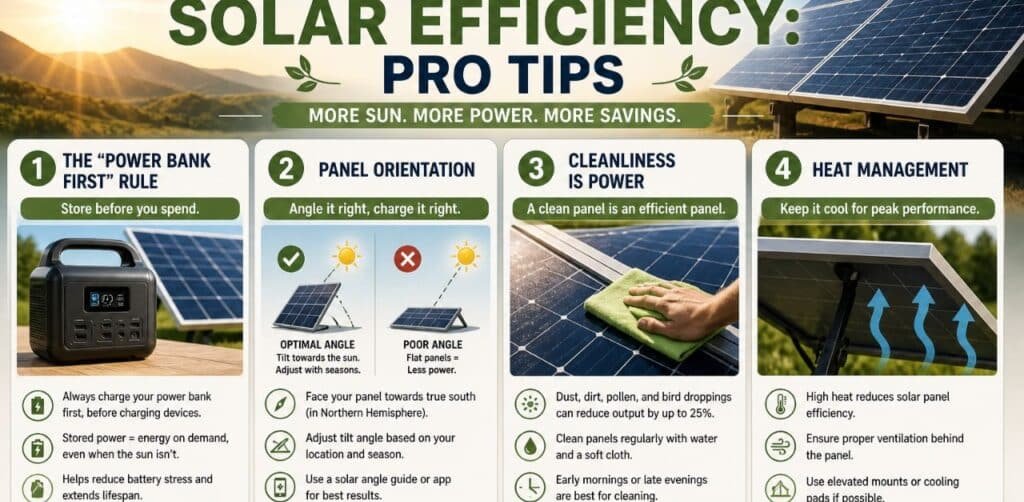
- The “Power Bank First” Rule: Never charge your phone directly from the solar panel if the sun is intermittent. Instead, charge a dedicated power bank, which acts as a buffer. This provides a steady charge to your phone later.
- Panel Orientation: While hiking, you can’t always control the sun’s angle. However, during breaks, propping the backpack at a 45-degree angle toward the sun can increase charging speeds by up to 40%.
- Cleanliness is Power: Dust, salt spray, and mud can block light. Use a microfiber cloth to wipe the panels every morning before hitting the trail.
- Heat Management: Solar panels actually become less efficient if they get too hot. Modern 2026 designs usually have a small gap between the panel and the bag to allow for airflow.
FAQs
1. How long does it take to charge a laptop with a solar backpack?
To charge a laptop, you need a backpack with at least a 30W panel and a 12V or USB-C PD output. In optimal sunlight, a high-wattage pack can provide a full laptop charge in 5 to 7 hours.
2. Can these backpacks handle heavy rain?
The backpack fabric is usually water-resistant, and the solar panels are waterproof. However, the USB ports are the vulnerable point. Always ensure the “port garage” or protective flap is sealed during a downpour.
3. Is it better to have a built-in battery or a removable one?
Removable is usually better. If the battery fails or technology improves, you can replace just the power bank without throwing away the entire backpack.
4. Can I use a solar backpack for air travel?
Yes. Solar panels are not restricted by airlines. However, the lithium batteries you charge with them must stay in your carry-on luggage and cannot be checked in.
5. Do these panels work behind glass (e.g., in a car or train)?
Yes, but efficiency drops significantly. Most glass windows are treated to block UV rays, which are essential for solar power generation. You will get the best results in direct, outdoor sunlight.
Conclusion
The evolution of solar-powered backpacks for off-grid camping and hiking has made it easier than ever to explore the world’s most remote corners without losing the safety net of modern technology. By investing in a high-wattage, durable, and weather-resistant pack, you ensure that your adventures are limited only by your stamina, not your battery life.
As we look toward the future of travel, sustainability and independence are becoming the top priorities for adventurers. Whether you are a casual weekend camper or a dedicated survivalist, going solar is the smartest move for your 2026 expeditions. For more gear reviews and travel inspiration, stay tuned to our latest updates at Travel Giftly.